
Into the Wild: Pikey Peak, Nar Phu Valley & Annapurna Circuit Trek:
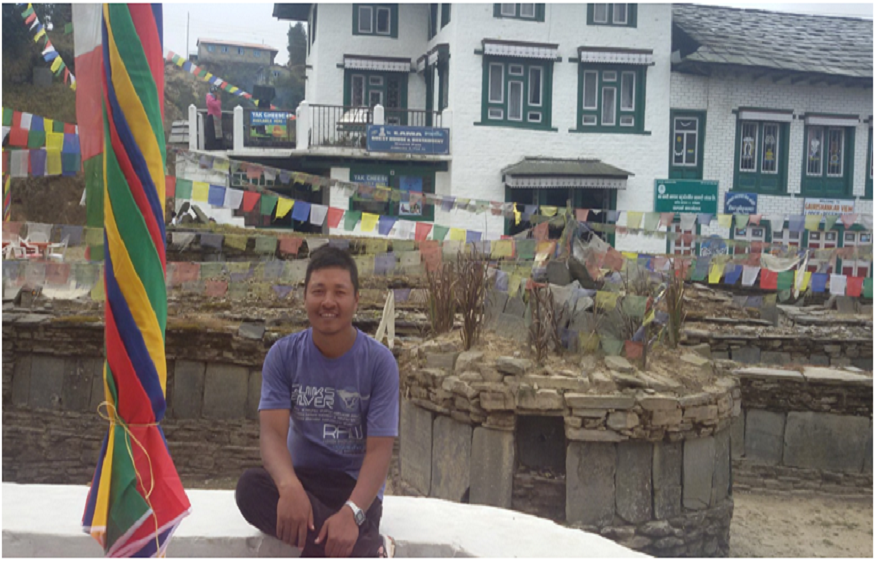
In Nepal, mountains are not just big and cold. They tell stories. Stories of wind, of snow, of silence, of people who live remotely, of clouds running above old stones. Trekking in the Himalayas is not only walking with legs but also with heart. When someone goes for Pikey Peak Trek, Nar Phu Valley Trek, or Annapurna Circuit Trek, they are not just walking; they become part of nature’s breath.
Starting the Wild Dream
When you decide to go to Nepal for trekking, you choose something very special. These three treks, Pikey Peak, Nar Phu Valley, and Annapurna Circuit, are different like rivers, forests, and sky. But all give the same kind of feeling—raw, fresh, full of wonder. Each one has its own taste. I like sweet tea, salty soup, and spicy momo.
Some treks are easy. Some trek hard. But all the trek is worth a try. When people choose these three, they really go into the wild. No loud cities, no traffic, only yaks, prayer flags, and your own footsteps.
Pikey Peak Trek
Pikey Peak trek is not the highest mountain, but the view from it makes people cry. Yes, real tears. Because from the top of Pikey, you see Everest, Makalu, Kanchenjunga, and many more. The whole Himalayan chain looks like one big necklace of snow.
The trek is not long. 5 to 7 days. Good for beginners also. But it doesn’t mean it’s as easy as a city walk. You climb, and you go through forests, old villages, and Buddhist stupas, and rhododendrons bloom in springtime.
The best time to go to Pikey Peak is March-May and October-November. No leeches, not too much snow. Morning sunrise on Pikey is the best thing. The sky turns orange, then pink, then gold, then blue. Everything shines.
Also, the local culture is Sherpa. They are very humble and friendly. They make tea, talk slowly, and always smile. You stay in a teahouse, sit near a fire, and eat hot dal bhat. My heart feels warm.
Nar Phu Valley Trek
Nar and Phu are two villages. Very remote. Like hidden in a pocket of the Himalayas. People say it is like Mustang and Tibet mixed together. Stone houses, dry wind, old monastery, and ancient trail. This trek is not for all. It is a little rough, a little lonely. But whoever goes there, never forget.
The Nar Phu Valley trek is around 9 to 12 days. You start from Koto, near the Annapurna route. Then you enter a special permit zone. Not many tourists come here. That is why it is pure. You see cliffs like blades, deep canyons, icy rivers, and many blue sheep. If lucky, a snow leopard also.
Altitude goes high. Almost 5000 meters. So slow walking is key. No rush. Listen to your body. Take ginger tea. Sleep early. Talk to villagers. They speak their own dialect. Farming barley, raising yaks. Life is simple but strong.
Phu village has Tashi Lhakhang Monastery. Very holy. Built by a famous lama from Tibet. The landscape is wide and wild. Nar village is a little more active. Kids running, women weaving, and men working in the field.
The trek finishes at Ngawal and connects with the Annapurna trail. But if the weather is good, some people go over Kang La Pass. It is very steep, but the view is like a dream.
Annapurna Circuit Trek
The Annapurna Circuit trek is legendary. Almost like one big book with many chapters. Jungle chapter, river chapter, desert chapter, snow chapter. It goes round the Annapurna massif. From lowland rice fields to Thorong La pass, 5416 meters.
The trek can take 12 to 20 days. Depending on how fast you go. The starting point can be Besishahar.
This trail is busy sometimes. But still magical. Every day the scenery changes. You meet people from around the world. You cross suspension bridges, eat apple pie in Manang, visit an ancient monastery in Braga, and take a rest day for acclimatization.
Crossing Thorong La is a challenge. Early morning, dark, cold, strong wind. But when you reach the top, you feel like an eagle. The sky is so close. Flags flying. And the view is so wide, no word can explain it.
After passing, Muktinath is a holy place. Temples for Hindus and Buddhists. Fire and water coming together. Then the trek goes down to Kali Gandaki Valley. You can finish at Tatopani and take a hot spring. Or go more to Ghorepani and Poon Hill for the last sunrise.
Why These Three?
Someone may ask, why combine Pikey Peak, Nar Phu, and Annapurna? They are all so different. Yes, that’s why. Because the heart needs many flavors. Like songs that have many notes, Trek should have many moods.
Pikey gives peace. Nar Phu gives mystery. Annapurna gives majesty.
Pikey is a soft welcome. Nar Phu is a wild test. Annapurna is the grand finale.
Also, they are not far. If you plan well, you can make one trip with three chapters. First go to Pikey, then Nar Phu, then Annapurna. Or reverse. All possible.
Local Culture and People
In all the treks, local people make a big difference. Sherpa in Pikey. Tibetan-origin in Nar Phu. Gurung and Thakali in the Annapurna side. They live simply but are rich in heart. Their food, clothes, music, and prayer all tell you something deep.
You can learn so much. How they use herbs. How they read the sky. How they respect mountains. Even if you do not speak the same language, smiles and kindness go very far.
Homestays and teahouses give real experience. You eat what they eat. Sit by the same fire. They share the same roof. That makes the trek more than just a walk.
Food on the Trail
Dal Bhat is king. Every trek, every village. Lentil soup, rice, vegetables, maybe some pickles. Give power. Eat two times, still feel strong.
In Pikey, you may get potato and buckwheat pancakes. In Nar Phu, noodle soup and dried yak meat. In Annapurna, there are more choices—pizza, apple pie, chow mein, and even coffee.
But the best is warm food after a long day. You eat with friends or alone, but it always tastes better because mountain hunger is real.
What to Carry
No need for too many things. But right things. Good shoes. Warm jacket. Sleeping bag. Water bottle. Headlamp. And of course, hope and patience.
For Nar Phu, a special permit and guide are a must. For Pikey and Annapurna, a TIMS card and ACAP permit.
The camera is good, but better are the eyes and memory. Take photos, but also take moments. Sit. Breathe. Listen.
The Wild Teach You
After these treks, people change. Not always outside, but inside. They become more quiet. More thankful. Less afraid of silence. More open to new ways.
Mountains teach you small lessons. How to walk slowly. How to respect nature. How to accept things. Sometimes the path is hard. Sometimes it rains. Sometimes you get tired. But you still go. That is beauty.
When to Go
The best time is spring and autumn. March to May. September to November. Clear sky. Not too cold. Good for the view.
Monsoon is heavy rain. Winter is snowy and closed. So plan smart.
Last Words from the Wild
Pikey Peak, Nar Phu Valley, and Annapurna Circuit—they are like three different stories in one big book. You don’t need to be a super athlete. You just need to walk, to feel, to be open.
Into the wild, you do not just see mountains. You meet your own self. That part of you which was sleeping in city life. Now awake, in wind, under sky, on trail.
Contact Details
Company address: Everest Trekking Routes Pvt. Ltd.
16 Khumbu, Nayabazaar, Kathmandu, Nepal
Mobile : +977-9843467921 (Rabin)
Email: info@everesttrekkingroutes.com
URL:– www.everesttrekkingroutes.com