
What Is An Infrared Light, and what is it Used For?
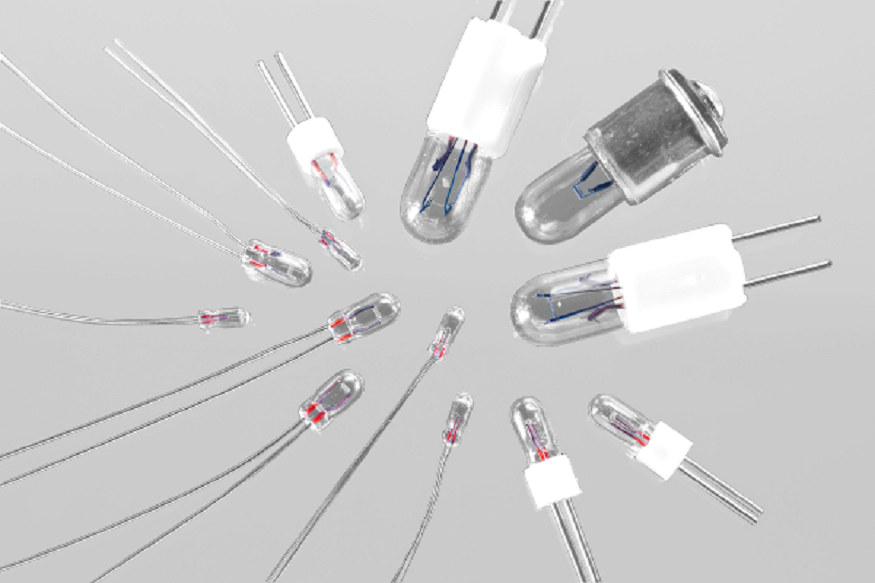 An infrared light is a natural type of light used in various applications, from remote controls to thermal imaging and medical diagnostics. Infrared radiation, an element of the electromagnetic spectrum, is often used for communication or detected as heat even though it is invisible to the human eye. A mini infrared light offers many benefits in several industries. This article will discuss the use of infrared light.
What is Infrared Light Used For?
Infrared light is an interesting part of the electromagnetic spectrum that is not visible to humans. It has various practical applications, ranging from medical cures to daily technologies. This invisible light is often used in pain and inflammatory treatments and is essential to the healing process.
Infrared radiation is crucial to several technologies in addition to its medical applications. Infrared light is necessary for the operation of devices like thermal imaging cameras and remote controls. These uses highlight infrared radiation’s adaptability as well as its significance in modern life.
As individuals continue to discover the benefits of infrared light, its significance in industries like medical, communication, and even research expands.
Understanding how infrared works can offer up new possibilities in wellness and technology, making it an exciting topic worth exploring further.
Read more: Air Cleaner Buying Guide: Understanding Features, Filtration, and Air Purifier Price
Uses for Infrared Technology
There are several significant uses for infrared technology that have a big impact on business and daily life. This includes its application in communication devices, advanced imaging systems, and medical health solutions.
Communication and Electronics
Infrared communication serves a significant function in many modern equipment. For example, TV remote controls work by transmitting infrared signals to the device’s infrared receiver. This enables remote channel and volume adjustments.
Also, fiber optic connections use infrared light to carry data efficiently across great distances. High-speed internet and communication services are made possible by this technology.
Infrared technology in electronics also includes functionality in cellphones, such as infrared blasters, which allow users to control home appliances remotely.
Thermal Imaging and Surveillance
Security and surveillance systems make extensive use of thermal imaging technologies. Regardless of the lighting, infrared cameras produce sharp images by detecting heat generated from objects. This is crucial for night vision applications, enabling security personnel to monitor locations even in absolute darkness.
Time-sensitive situations incredibly benefit from thermal imaging. Surveillance systems integrated with thermal cameras are employed in border security and wildlife monitoring. Night-vision goggles are useful for military and search and rescue activities because they use infrared light to enable users to see in low-light conditions.
Read more: Why a Hand Truck Trolley from Reflex Equip Is Essential for Moving Heavy Loads
Medical and Health Applications
Infrared technology has several uses in the medical industry. Infrared therapy is used to enhance blood flow and promote healing in soft tissues. It gives pain relief for numerous illnesses, including arthritis and muscular injuries. By producing perspiration at lower temperatures, infrared saunas give detoxification benefits. This creates a safe place for relaxation and health improvement.
Additionally, infrared imaging is used for medical diagnosis, helping discover aberrant diseases in patients through non-invasive procedures.
The combination of these applications highlights the adaptability and significance of infrared technology in everyday life.
Infrared in Science and Industry
Infrared light plays a crucial role in various scientific and industrial applications. Its unique features enable advanced procedures in domains such as astronomy, heating, and measurement.
Astronomy and Environmental Monitoring
Infrared astronomy uses infrared light to identify astronomical objects that are not visible to the human eye. Instruments built for this purpose can see through dust clouds in the interstellar medium. This makes it possible for scientists to see how stars develop and the makeup of far-off galaxies.



1 Response
[…] Read More: What Is An Infrared Light, and what is it Used For? […]