
Joe Cianciotto Highlights a Few Benefits of Mixed-Use Developments
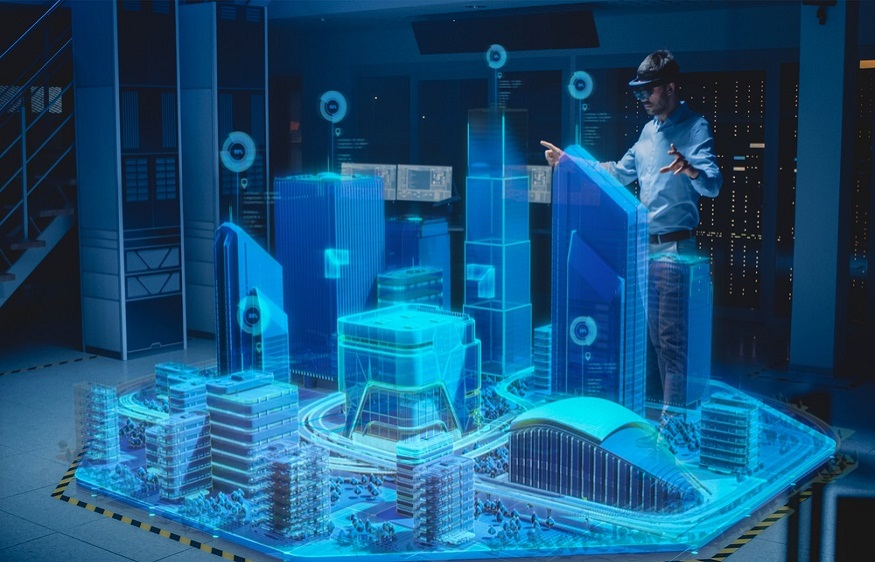
Mixed-use developments have emerged as an innovative and popular trend in the ever-evolving world of real estate. As per Joe Cianciotto, these developments combine commercial, residential, and recreational spaces within a single project, thereby creating self-contained, vibrant communities. Mixed-use developments basically integrate multiple types of land use into a single project, and facilitate a convenient and dynamic lifestyle for the residents. These projects are designed to provide a range of infrastructure and amenities within walking distance while promoting a holistic and sustainable approach to urban planning.
Joe Cianciotto marks a few benefits of mixed-use developments
Mixed-use developments refer to projects that combine multiple types of real estate use within a single development or building. These developments are becoming increasingly popular across the world, as they combine residential, commercial, and recreational spaces within a single project. In these self-contained communities, people get to live, work, shop, and enjoy recreational activities, all in close proximity.
Read More: Why a Hand Truck Trolley from Reflex Equip Is Essential for Moving Heavy Loads
Here are some of the key benefits of mixed-use developments:
- Urbanization and space efficiency: With the continuous expansion of urban areas and the increasing scarcity of available space, mixed-use developments present a practical and efficient approach to optimizing land utilization. Rather than having separate zones for commercial, residential, and office spaces, these projects integrate multiple types of land use, thereby reducing urban sprawl and promoting sustainable growth.
- Improved convenience and quality of life: Mixed-use developments provide residents with easy access to facilities for entertainment, dining, shopping, and work, thereby fostering a “live-work-play” environment. This convenience goes a long way in improving the quality of life of the residents. It also reduces the need for long commutes, which helps lower traffic congestion and carbon emissions.
- Economic benefits: Mixed use projects can provide a high return on investment to the developers, as they tend to attract a wider range of tenants and have low vacancy risks. The diversity of uses within a single project increases the foot traffic for businesses and supports the growth of the local economy.
- Community building and social interaction: By creating vibrant, walkable communities where people from varied backgrounds can live and work in close proximity, mixed-use developments promote social interaction. This helps foster a sense of community and elevates the overall urban experience.
- Sustainability and environmental impact: Mixed-use developments often incorporate energy-efficient designs and sustainable building practices. With reduced dependency on cars and better land-use planning, such projects can help cities and towns become more environmentally friendly and resource-efficient.
Read More: What Is An Infrared Light, and what is it Used For?
Mixed-use developments have, over the years, emerged as a prominent global trend owing to their many benefits as well as adaptability to modern lifestyles. Rapid urbanization and homebuyers’ rising preference for convenient living have led developers to understand the value of mixed-use developments. These developments integrate residential, commercial, and recreational spaces, thereby providing residents with a one-stop solution for their daily needs, while also fostering vibrant and self-sustained communities.
As per Joe Cianciotto, mixed-use developments play a pivotal role in shaping the future of urban living by providing community-oriented, sustainable, and convenient environments. These projects help meet the growing demand for integrated and multifunctional spaces.