
Everest Base Camp & Gokyo Lakes: A Complete Himalayan Route:
Overview
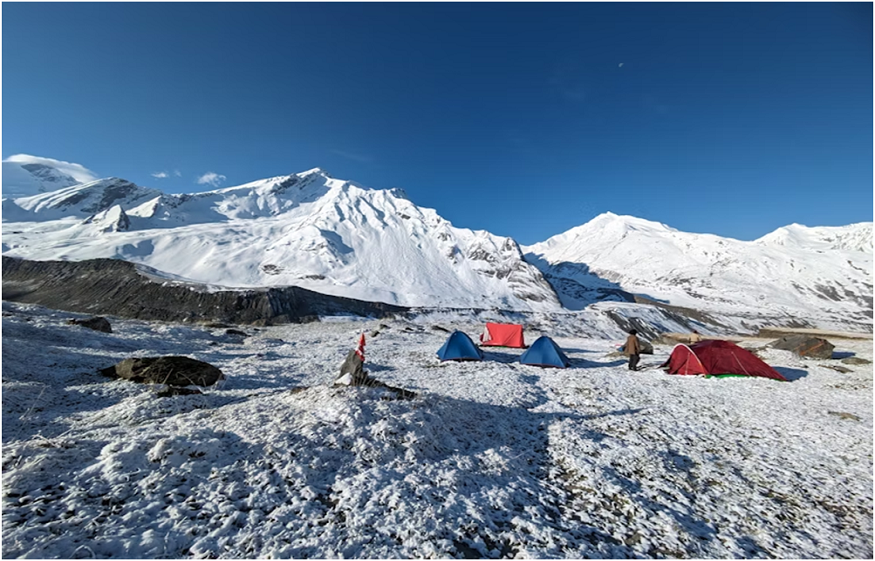
The Everest Base Camp & Gokyo Lakes trek is the most beautiful adventure in the world. You see huge mountains, glaciers, lakes, and small villages. People from everywhere come to see Everest, Lhotse, Nuptse, and other giants. This trek is not easy but very rewarding. You feel cold wind, snow, sun, and rain, sometimes all on the same day. You meet sherpas, guides, and local people; they are very friendly and helpful. The trail is a mix of steep, rocky, flat, and high pass. The Gokyo Lakes are amazing blue lakes with a reflection of mountains. Everest Base Camp is a dream for all hikers. You can combine different routes, like the Everest 3 High Pass trek, the Gokyo Lake trek, or the 12–14-day classic Everest Base Camp trek. You see monasteries, prayer flags, chortens, and yak caravans. Every step you take, you feel the magic of the Himalayas. This journey is not just walking; it is adventure, culture, nature, and challenge all together.
Everest Base Camp Trek: The Classic Route
The Everest Base Camp trek is the most famous trek in Nepal. People come from all over the world. You start from Lukla airport and fly a small plane, which is very exciting and a little scary. The trail goes to Namche Bazaar, Tengboche, Dingboche, Lobuche, and finally Everest Base Camp. You see huge peaks like Everest, Lhotse, and Ama Dablam. Day by day you climb slowly to avoid altitude sickness. Tea houses are everywhere: small rooms, warm food, hot soup. Nights are very cold, but the day is sunny. Trek for 12 days or 14 days; you can choose. 14 days gives more time to rest, enjoy scenery, and see more villages. Everest Base Camp Trek 12 days is fast and more challenging. Every night you feel excitement; every morning fresh mountain air wakes you up. This trek is adventure, challenge, and happiness all together.
Gokyo Lake Trek: Hidden Gem of the Himalaya
The Gokyo Lake Trek is another amazing route. You see turquoise lakes, very clear, with reflections of snow mountains. Gokyo village is peaceful and less crowded than Everest Base Camp. You walk steep trails to Gokyo Ri, see a panorama view, and five big peaks in front. Glaciers are a close, ice-blue color and very amazing. People combine the Gokyo trek with the Everest Base Camp trek. You can cross Cho La pass, very challenging but unforgettable. The trail goes to Dole, Machhermo, and Gokyo village. You feel calm, nature is very close, and the water is very clean. Tea houses are small but friendly, and the food is simple but tasty. Sunset and sunrise at Gokyo Ri: an unforgettable memory.
Read More: Ski and Glamour: Winter Holidays Between Slopes and Sparkle
Everest 3 High Pass Trek: Ultimate Challenge
The Everest 3 High pass Trek is for experienced hikers. You cross the Kongma La, Cho La, and Renjo La passes. This route is longer, harder, and more adventurous. You see Everest Base Camp, Gokyo Lakes, glaciers, and high mountains all together. The trail is steep, rocky, and sometimes snowy. Weather changes very fast; you need warm clothes, boots, and gloves. Tea houses are small; you need patience and a strong mind. But the reward is huge. High-pass trekking gives a feeling of achievement; you feel you conquer the Himalayas. Every pass is a challenge; every view is unforgettable. People who do this trek say it is life-changing.
Combining Gokyo Lakes & Everest Base Camp
Many trekkers like to combine Gokyo Lakes and Everest Base Camp. You start from Lukla, go to Namche Bazaar, first see the Everest Base Camp side, and then turn to the Gokyo Valley. The trail goes over Cho La pass. Very challenging, long days, but the views are very amazing. You see turquoise lakes, high mountains, glaciers, and small villages. Tea houses are simple but comfortable. You sleep, eat, rest, and enjoy local culture. Sherpas help carry bags sometimes. Yak caravans on the trail are very traditional. You feel culture, nature, and adventure at the same time. The best time to do a combined trek is March to May or September to November. The weather is clear, the sky blue, and mountains visible.
14-Day Everest Base Camp Trek
The Everest Base Camp Trek 14 days gives more time for rest and exploration. You go to Lukla, Phakding, Namche Bazaar, Tengboche, Dingboche, Lobuche, and Everest Base Camp. You see Khumbu Glacier, Ama Dablam, and Nuptse. Night stay at a teahouse, hot food, friendly people. Rest days at Namche Bazaar or Dingboche are very helpful for acclimatization. You climb gradually to avoid altitude sickness. Flight back from Lukla, small plane, very thrilling. Trek feels peaceful, exciting, and challenging. Every day a new adventure, every step, a new view. You see many walls, prayer flags, chortens, and monasteries.
Read More: What Is An Infrared Light, and what is it Used For?
12-Day Everest Base Camp Trek
The 12-day Everest Base Camp trek is shorter and faster. You skip some rest days. The trail is more challenging and needs strong stamina. You see the same mountains, glaciers, and villages. Less time for photography or exploring villages. But you reach base camp faster. Night at tea houses, food same. The flight back from Lukla was very exciting. This trek is good for people with less time but strong fitness. Every day there is a long walk, steep climbs, and sometimes cold wind. But the view is amazing; Everest is very close, and you feel a dream come true.
Daily Life on the Trail
Life on the trail is simple and natural. You wake up, see mountains, drink tea, and start walking. The trail is sometimes rocky, sometimes flat, and sometimes snowy. Lunch at a tea house with local food: dal bhat, noodles, and soup. Sleep at night in a small room, warm blankets, cold outside. You see yaks, horses, and trekkers from different countries. People are friendly; talk with guides. The trail is sometimes lonely, sometimes crowded near Everest Base Camp. Every day is different; every step is new. The culture is very rich, with Buddhist monasteries and prayer flags everywhere.
Permits and Costs
To do the Everest Base Camp & Gokyo trek, you need a TIMS card and a Sagarmatha National Park permit. TIMS small card for trekking, park permit for conservation. Cost is moderate and depends on the guide, porter, tea house, and food. The guide is helpful for local culture, language, and safety. Porter carries a heavy bag; you walk easily. A 12-day trek costs less than a 14-day trek. The High Pass trek is more expensive because it is longer, more challenging, and requires more food and teahouse stays. Budget around 1000–1500 USD per person, including guide, porter, food, and accommodation. The flight from Lukla to Kathmandu costs extra, around 180 USD one way.
Best Time to Trek
The best time is March–May and September–November. Spring flowers, clear sky, good view. Autumn sky blue, mountains clear, weather stable. Winter is very cold; sometimes snow blocks the trail. Summer monsoon, rain, landslide risk, less popular. The High Pass trek requires clear weather and no snowstorm. Gokyo Lakes are very beautiful in spring and autumn, and the reflection in the lake is perfect. Base Camp trek is also the best in the same season.
Packing and Gear
Packing is important. Good boots, a warm jacket, gloves, a hat, and a sleeping bag. Trekking poles are helpful for steep trails. Sunglasses, sunscreen, lip balm, and water bottles are a must. Tea house stay, so a small backpack is enough for a day walk; the porter carries the rest. Cameras are very important for memories. Extra clothes because the weather changes fast. Water purification tablets are sometimes useful. Food is simple, but it carries snacks for energy. Every step, gear helps comfort, safety, and happiness.
Culture and People
The Sherpa people are very friendly. Buddhist culture everywhere. Monasteries on the trail, prayer wheels, and mani stones. Festivals during trekking: sometimes you can join local events. Yaks, horses, and donkeys used to carry goods. People are very hardworking and humble. I speak Nepali, but some understand English. Interaction with locals gives experience and memories for life.
Challenges and Adventure
Trek is not easy. Altitude sickness, cold, snow, long walks, steep trails. The High Pass trek is the most challenging. You need fitness and preparation. But the reward is huge. Views, lakes, glaciers, mountains, villages, culture, people, and adventure all together. Feeling at the top of the pass, Gokyo Ri, Everest Base Camp, unforgettable. Every step tests your strength, every day is an adventure, and every night has a story.
Why Combine Gokyo & Everest?
Combining Gokyo & Everest gives a full experience. Base Camp for dreams, Gokyo Lakes for calm and beauty. High pass trek for challenge and achievement. 12-day or 14-day options for the classic trek. Every trek is unique, every view different. You see glaciers, rivers, lakes, mountains, villages, monasteries, culture, and people. Trekking in the Himalayas is life-changing. You feel nature, adventure, challenge, peace, culture, and happiness all together.
Conclusion
The Everest Base Camp & Gokyo Lakes trek is a lifetime experience. You see the biggest mountains, turquoise lakes, glaciers, villages, and culture. 12-day, 14-day, high pass, Gokyo Lakes, and classic Base Camp—all combinations are amazing. Trekking is not just walking; it is adventure, challenge, beauty, culture, and happiness. Every step unforgettable, every view breathtaking. Sherpas, locals, yaks, tea houses, monasteries, prayer flags—everything perfect. Himalaya called; I answered it.