
Festive Season Sparks Renewed Interest In Gold Buying
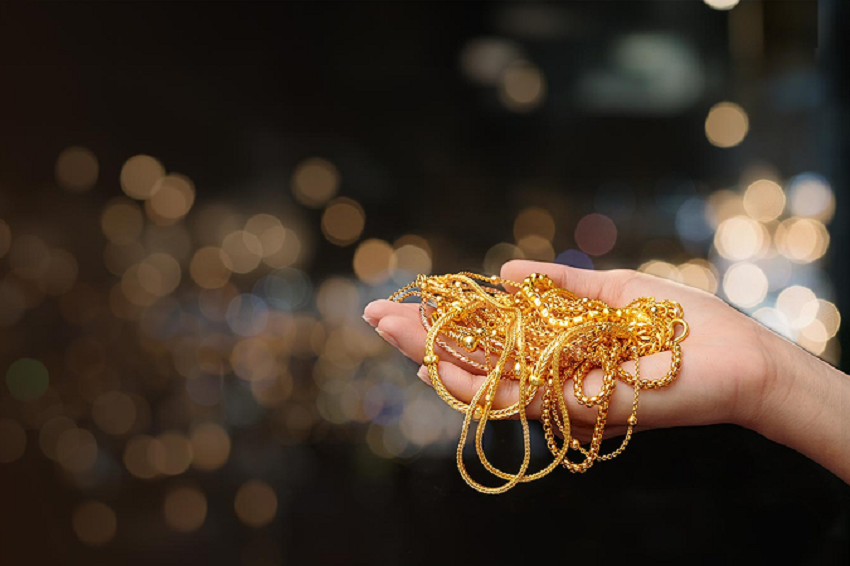
As the festive calendar approaches, jewellery shops in towns across northern and eastern India are preparing for a noticeable rise in customer footfall, and pricing conversations are once again taking centre stage. In the historic riverside town along the Ganga in eastern Uttar Pradesh, shoppers checking the gold price in Ballia are largely guided by auspicious dates on the Hindu calendar, when buying gold is considered a symbol of prosperity and good fortune for the year ahead. Further north, in the winter capital region known for its temples and trade routes, residents tracking the gold price in Jammu are similarly influenced by religious sentiment, though local demand here is also shaped by the steady inflow of pilgrims and traders passing through the city. While the two towns differ vastly in geography, climate, and economic drivers, both illustrate how deeply gold buying is woven into the emotional and cultural fabric of Indian life, far beyond its role as a mere financial asset.
Festive gold buying in India is not just about ornamentation; it has layers of tradition and belief associated with it. Households often consider such purchases as an investment to be passed on to future generations, and others see it as a way to save up for other pressing needs like weddings or education. Both the sentiment and the scheme are what keep demand for gold fairly resilient even when prices are on the higher side.
Seasonal Demand Patterns And Their Impact On Local Pricing
Jewellers across the country see certain months as busy ones, and others as slow depending on the festive and wedding calendars. Demand has a tendency to outpace the usual business rate during these times, and some jewellers are known to tweak their making charges or promotional offers to lure in customers that may have been waiting to make a purchase, even if it meant going slightly over budget. This practice is fairly common in towns that have a bearing on cultural or religious holidays on which it is considered auspicious to make gold purchases even at higher rates.
Read More: Understanding Constructive Dismissal and Workplace Discrimination in Ontario
Retailers are also known to stock up on inventory ahead of these seasons and set aside certain flexible making charges or payment plans for customers that opt to pay in instalments that add up to the jewellery price at the time of purchase. Gold saving schemes are popular among middle-class families looking to set aside a portion of their budget for gold jewellery of their choice without having to empty their wallets in one go. This trend is more common in places where gold is seen as a secure investment or has a cultural significance that overrides the hesitation caused by higher rates.
Purity assurance is another aspect that sees heightened attention among buyers, especially those who find themselves rushing to purchase during peak seasons. Hallmarking done by the Bureau of Indian Standards has helped buyers feel secure in their purchase as being indicative of a uniform standard of purity that can be found across the country.
Shoppers are encouraged to look out for hallmark certification as well as a unique identification number that can be used to verify the authenticity of a jewellery piece before making a purchase at an elevated rate during these times.
The method of payment for gold purchases has changed greatly over the years, with both buyers and sellers leaning toward digital payments, direct bank transfers, or even invoicing as a means of record-keeping. This has also added to the overall transparency around pricing as unofficial smaller scale markets that did not have a formal system of invoicing have been slowly phased out in favour of bigger, more trustworthy names that have a publicly available pricing system that updated at a higher frequency.
Alternatives to physical gold purchases also see a higher volume of sales during the festive season, particularly among young professionals looking to invest in digital gold or sovereign gold bond schemes that do not require having to make an expensive jewellery purchase at a higher making charge. Such methods of purchase see wider adoption at smaller levels as towns see an increase in financial literacy among their inhabitants.
Read More: How a Financial Cash Loan App Can Help You Manage Unexpected Expenses
Broader economic conditions are also a factor in festive gold buying, as well as exchange rates and interest rates of rival currencies in the global market, and their projected or existing impact on India’s domestic rates. The domestic market also has a bearing on how much a customer may end up paying at a local jeweller due to additional taxes on imports or changes to taxation policy on precious metals.
Families that intend to purchase during the festival season are recommended to make a list of trusted retailers, cross-compare their rates and make sure to factor in hallmarking and making charges before finalising their purchase to ensure they get the most value per rupee in accordance with their intended purpose for the jewellery.