
Types of Electrical Iron: A Practical Guide to Choosing the Right One
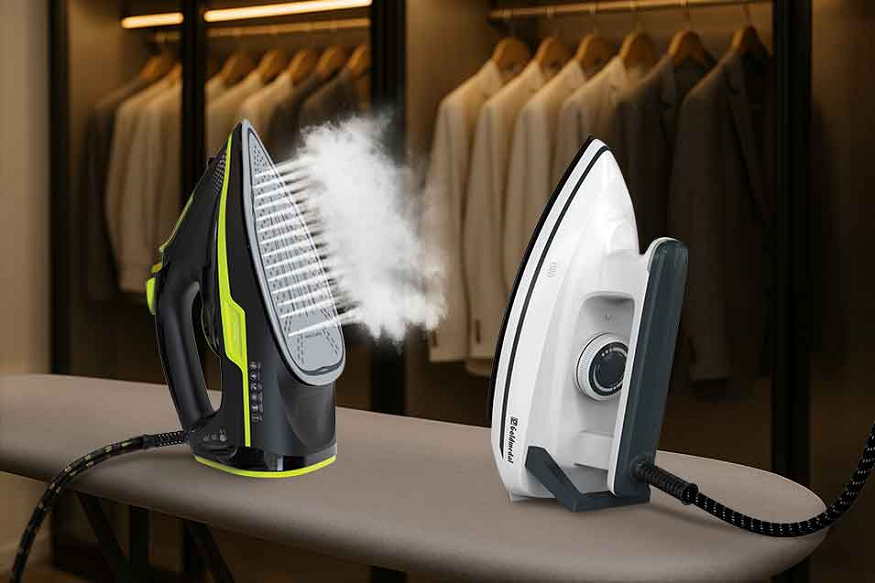
Ironing is one of those household chores that feels simple until you’re standing in front of a wardrobe full of different fabrics — cotton, silk, linen, synthetic blends — each behaving differently under heat. Much of that frustration comes down to using the wrong kind of iron for the job, or not knowing that other types even exist beyond the basic one most homes have used for decades.
Here’s a straightforward look at the different types of electrical iron available today, what each is built for, and how to figure out which one actually belongs in your home.
1. Dry Iron
The dry iron is the most traditional and widely used type in Indian households. It works with a simple non-perforated soleplate that heats up and is pressed directly onto fabric to smooth out wrinkles.
Strengths: Simple to use, lightweight, generally more affordable, and low-maintenance since there’s no water reservoir to clean or refill.
Limitations: Less effective on heavier or more stubborn wrinkles, and it doesn’t handle delicate or heavily creased fabrics as smoothly as steam-based options.
Read More: Air Cleaner Buying Guide: Understanding Features, Filtration, and Air Purifier Price
Good fit for: Everyday ironing of cottons and lighter fabrics, and households looking for a simple, budget-friendly, low-fuss appliance.
2. Steam Iron
Steam irons use a perforated soleplate and an internal water reservoir to release steam while ironing, which helps loosen fabric fibres and remove wrinkles more effectively — especially on thicker or more textured materials.
Strengths: Handles stubborn creases better, works well across a wider range of fabrics including some delicate ones (with the right settings), and generally gives a crisper, more professional finish.
Limitations: Needs regular water refills and occasional descaling to prevent mineral buildup, especially in areas with hard water, and tends to be a bit heavier than a basic dry iron.
Good fit for: Households that iron a variety of fabric types, workwear that needs a sharp finish, and anyone who irons frequently enough to justify the slightly higher upkeep.
3. Steam Generator Iron
A more advanced version of the steam iron, this type uses a separate, larger water tank connected to the iron via a hose, producing a continuous and more powerful stream of steam.
Strengths: Significantly faster ironing due to continuous steam output, better for large volumes of laundry, and often preferred in settings like tailoring shops or larger households doing frequent ironing.
Limitations: Bulkier setup, higher price point, and generally more suited to heavy, regular use rather than occasional home ironing.
Good fit for: Large families, home-based tailoring or laundry services, and anyone ironing in bulk on a regular basis.
4. Cordless Iron
Cordless irons use a heating base or dock — the iron heats up while resting on the base and retains heat for a short period once lifted, allowing movement without a trailing cord getting in the way.
Strengths: Easier manoeuvrability, no cord tangling or dragging across fabric, and generally more convenient for larger ironing sessions or awkward garment shapes.
Limitations: Needs to be returned to the base periodically to reheat, and temperature can drop gradually during extended use away from the dock.
Good fit for: People who iron frequently and value convenience, and households where cord management has been a recurring annoyance.
5. Travel Iron
Compact and lightweight by design, travel irons are built for portability rather than everyday heavy use. Many fold flat or come with a small handle for easy packing.
Strengths: Small size, lightweight, and convenient for touch-ups while travelling or for very occasional use at home.
Limitations: Smaller soleplate means slower coverage on larger garments, and generally lower power output than full-sized irons.
Good fit for: Frequent travellers, small apartments with limited storage, or as a secondary iron for quick touch-ups.
How to Choose Based on Your Actual Habits
Instead of choosing based on price or brand alone, it helps to think about three questions: How often do you iron? What fabrics do you iron most — light cottons, or heavier and more textured materials? And do you iron in bulk, or a few pieces at a time?
A household that irons occasional cotton shirts is well served by a good dry iron. A household juggling formal workwear, bedsheets, and mixed fabrics will likely get more value from a steam iron. And anyone ironing in genuine volume — tailoring work, large families, frequent entertaining — should seriously consider a steam generator setup.
Soleplate Material Matters Too
Regardless of type, the soleplate material affects how smoothly the iron glides and how easy it is to maintain. Non-stick coated soleplates reduce fabric snagging and are easier to clean, while ceramic soleplates tend to distribute heat more evenly. If you’re comparing models within a type, this is worth checking alongside wattage and safety features like thermal fuses and auto shut-off.
Read More: What Is An Infrared Light, and what is it Used For?
Choosing the right type of iron isn’t about owning the most advanced appliance — it’s about matching the tool to your actual laundry routine, so ironing day feels less like a chore and more like a quick, predictable task.



2 Responses
[…] Read More: Types of Electrical Iron: A Practical Guide to Choosing the Right One […]
[…] Read More: Types of Electrical Iron: A Practical Guide to Choosing the Right One […]